In B2B revenue strategies, inbound and outbound efforts are often treated as separate silos. Inbound generates leads through organic content and campaigns, while outbound actively engages prospects with direct outreach. While each approach has its strengths, the real magic happens when these two teams work together. By creating a feedback loop between inbound and outbound teams, businesses can build a cohesive strategy that not only maximizes efficiency but also enhances revenue outcomes.
In this article, we’ll explore practical ways to align inbound and outbound teams, integrate their efforts, and create a feedback loop that drives results.
Why a Feedback Loop Matters
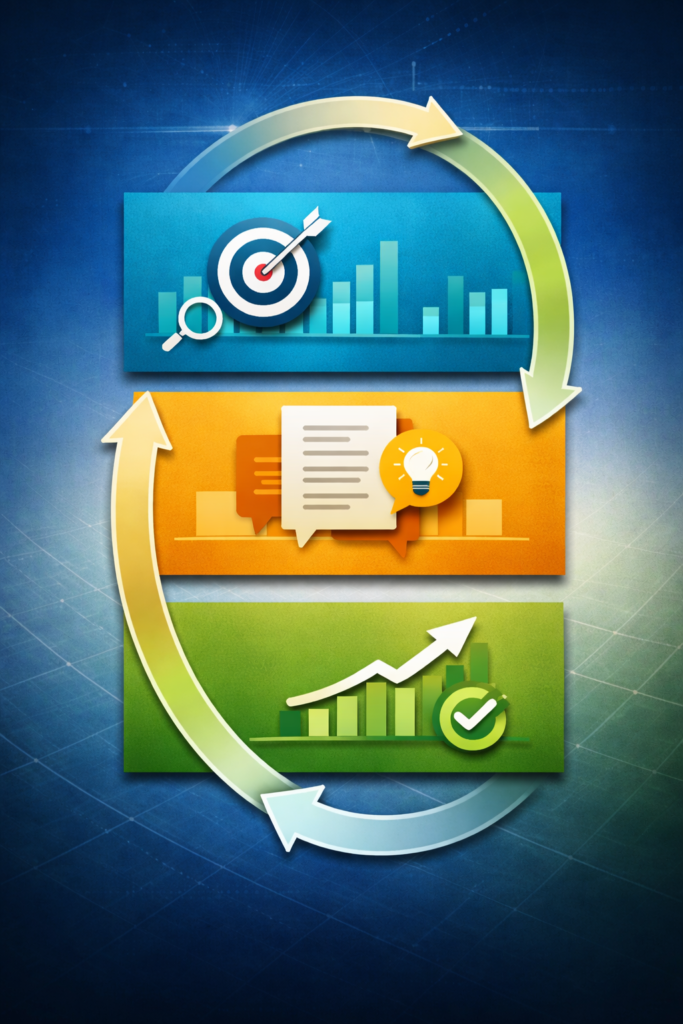
Inbound and outbound teams often share the same goal: generating high-quality leads and converting them into customers. However, without collaboration, valuable insights are lost. A feedback loop ensures:
- Improved targeting: outbound teams gain insights from inbound data about what resonates with prospects.
- Enhanced messaging: inbound teams refine content based on objections or feedback heard by outbound teams.
- Stronger results: combined efforts lead to more consistent and effective campaigns.
Step 1: Establish Regular Communication Channels
The foundation of any feedback loop is open and consistent communication between teams. Here’s how to set it up:
Schedule regular meetings: frequent syncs can help teams share updates and insights. Inbound can share top-performing content and lead engagement metrics, while outbound can highlight common objections or trends they’re noticing during outreach.
Create shared goals: align teams around shared metrics, such as lead quality, conversion rates, or sales cycle length. This ensures both sides are working towards the same objectives.
Foster a collaborative culture: encourage teams to view each other as partners rather than competitors. Recognize contributions from both sides to reinforce the value of collaboration.
Step 2: Leverage Inbound Data to Refine Outbound Efforts
Inbound campaigns generate valuable data that can supercharge outbound strategies. By analyzing this data, outbound teams can better target their efforts.
Identify high-performing content: outbound teams can use top-performing blog posts, eBooks, or case studies as conversation starters in outreach. For example, if a whitepaper is gaining traction, it can become a key resource in outbound emails.
Segment based on engagement: inbound data reveals which prospects are engaging with your content. Outbound teams can prioritize these engaged leads, focusing on those showing clear interest.
Track behavioral insights: metrics like time spent on page or content downloads can indicate a prospect’s pain points or interests, giving outbound teams an edge in tailoring their messaging.
Step 3: Use Outbound Insights to Inform Inbound Strategies
Outbound teams are on the front lines, engaging directly with prospects and hearing their challenges firsthand. These insights are gold for inbound teams looking to create relevant content.
Address common objections: if outbound reps frequently hear objections, inbound teams can create content that addresses these concerns upfront. For example, a blog post or FAQ page can tackle pricing concerns or clarify key features.
Spot emerging trends: outbound teams often notice shifts in buyer behavior or new pain points early. Sharing these trends allows inbound to adjust messaging or develop new content to stay ahead.
Enhance personalization: outbound reps can provide details about the types of prospects responding positively, helping inbound refine buyer personas and tailor their campaigns more effectively.
Step 4: Use CRM to Track Integrated Efforts
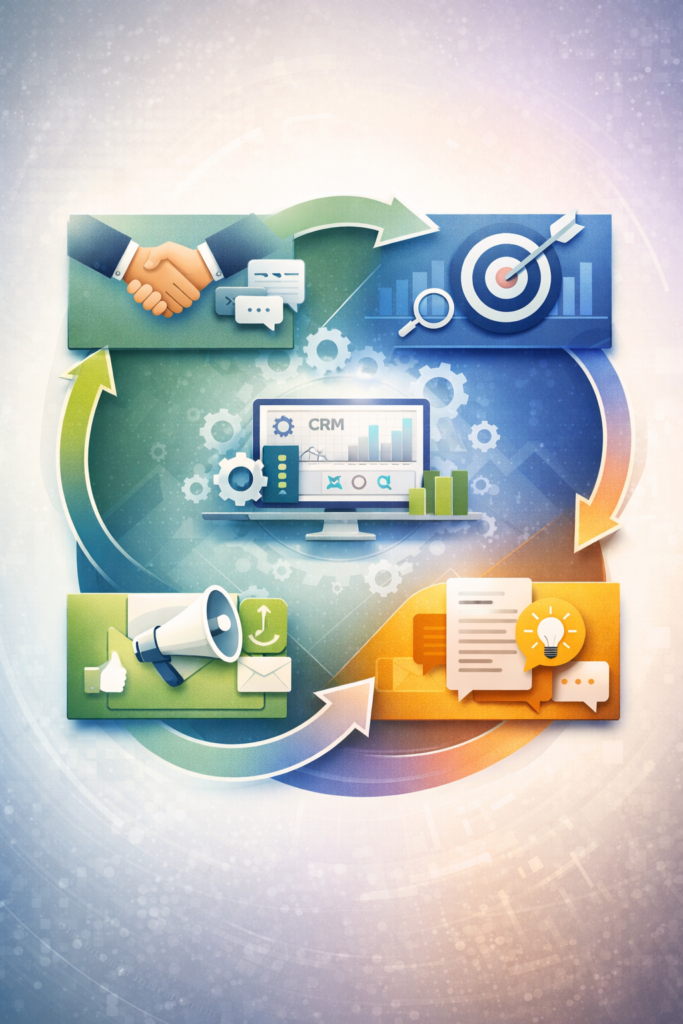
A centralized CRM system is essential for connecting inbound and outbound efforts and ensuring the feedback loop is actionable.
Track lead sources: use your CRM to attribute leads to specific inbound or outbound efforts. This provides clarity on what’s driving results and helps teams focus on the most effective strategies.
Share notes and insights: encourage outbound teams to log call notes, objections, and preferences in the CRM. This information can guide inbound campaigns and inform content creation.
Measure funnel impact: monitor how leads progress through the funnel, from initial inbound engagement to outbound follow-ups and final conversion. Integrated reporting helps teams identify bottlenecks and optimize their approach.
If inbound and outbound feel busy but disconnected, the issue is usually alignment, not effort.
At Vaneco, we help founder-led companies build feedback loops that turn activity into learning.
See how the Revenue Accelerator Program connects inbound insights and outbound execution into one revenue system.
Takeaway: Building a Feedback Loop That Drives Results
Aligning inbound and outbound teams isn’t just about improving collaboration—it’s about creating a unified strategy that drives better outcomes. Here’s how to start building your feedback loop:
- Set up regular communication channels to share insights and align on goals.
- Leverage inbound data to enhance outbound targeting and outreach.
- Use outbound feedback to refine inbound content and messaging.
- Implement a CRM to centralize efforts and track performance.
When inbound and outbound teams work together, the result is a smarter, more effective approach to revenue generation. Instead of operating in silos, they become two sides of the same coin, working in sync to engage prospects and close deals.
FAQ: Inbound and Outbound Feedback Loops
Why do inbound and outbound teams drift apart?
Because goals, data, and feedback are not shared consistently.
What is the fastest way to improve alignment?
Regular communication focused on patterns, not reports.
Does this require more tools?
No. It requires better use of existing systems and habits.
Who should own the feedback loop?
Revenue leadership or the founder, until the system runs on its own.
At Vaneco, our Revenue Accelerator Program helps businesses integrate their inbound and outbound strategies, creating feedback loops that optimize performance and maximize results. Let us help you break down silos and build a cohesive revenue engine that works smarter, not harder.