
In today’s B2B landscape, buyers are increasingly self-reliant, often completing a significant portion of their purchasing journey before engaging with a sales representative. Research indicates that B2B buyers are between 57% to 70% through their buying research before contacting sales reps (SalesLion). This shift underscores the importance for businesses to adapt their strategies, ensuring they provide valuable information and engagement opportunities throughout the buyer’s journey to effectively influence decision-making.
Additionally, studies have found that 67% of the buyer’s journey is now conducted digitally (WB Research). This highlights the critical role of digital content and online presence in influencing purchasing decisions.
Furthermore, research shows that 80% of B2B buyers initiate contact with sellers only after they are 70% through their decision-making process (Demand Gen Report). This emphasizes the need for vendors to establish visibility and credibility early in the buyer’s journey.
These insights collectively illustrate the evolving dynamics of the B2B buying process, where buyers are more informed and autonomous, making it imperative for businesses to engage prospects effectively throughout their journey. In light of this shift, this article explores how emerging trends like AI-driven personalization, conversational marketing, and the evolving balance of inbound and outbound strategies can help businesses stay ahead, effectively engage prospects, and drive revenue growth in the ever-changing B2B landscape.
The Role of AI-Driven Personalization in Revenue Generation
Artificial intelligence (AI) is revolutionizing B2B strategies, making it possible to deliver highly personalized experiences at scale. Whether it’s tailoring content for prospects or optimizing outreach in real time, AI is shaping the future of both inbound and outbound efforts.
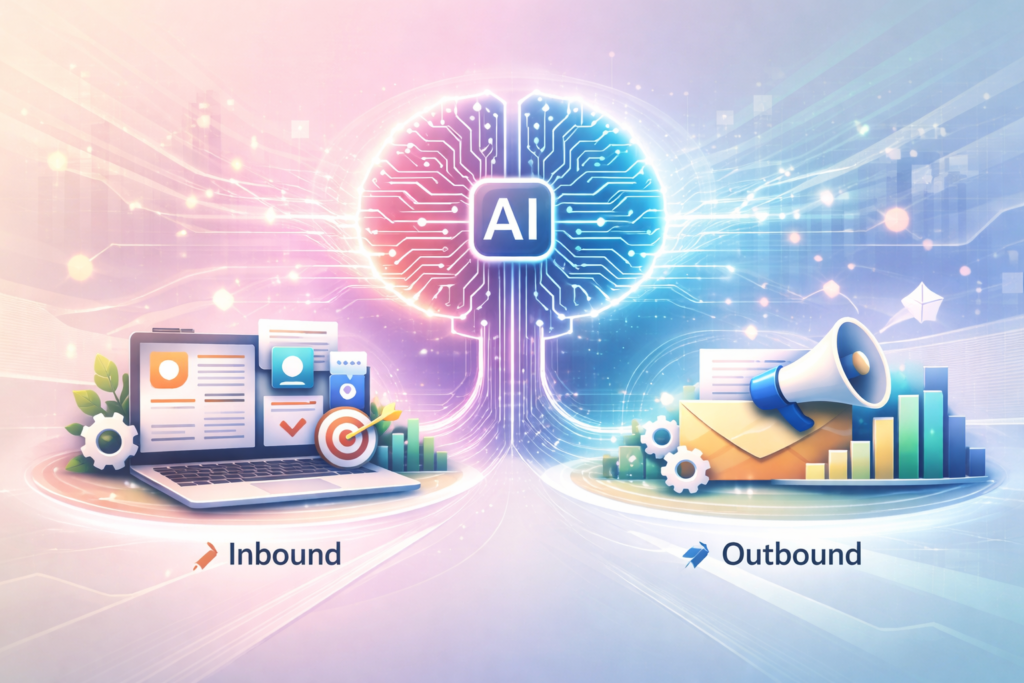
AI in inbound:
AI analyzes user behavior to recommend relevant content, helping businesses engage prospects with resources that align with their needs and interests.
Predictive analytics identify high-value leads based on past interactions, allowing teams to focus their efforts on prospects most likely to convert.
Optimization tools help refine content for visibility and engagement, ensuring your messaging resonates with your target audience.
AI in outbound:
AI-driven outreach adapts messaging based on recipient behavior and preferences, making each interaction more relevant and effective.
Automated tools prioritize outreach by identifying the best times to connect with prospects, increasing the likelihood of engagement.
Advanced forecasting models help sales teams predict outcomes and allocate resources where they’ll have the greatest impact.
The Rise of Conversational Marketing and Data Privacy in Outbound
As buyers increasingly value immediacy and authenticity, conversational marketing is becoming a cornerstone of outbound strategies. At the same time, data privacy regulations are reshaping how companies engage with prospects.
1. Conversational marketing:
- Real-time communication tools allow businesses to connect with prospects instantly, guiding them through the sales process in an interactive and engaging way.
- Voice-based technologies and interactive content formats enable outbound teams to deliver personalized experiences that feel natural and human.
These methods make outbound outreach less transactional and more conversational, aligning with evolving buyer expectations.
2. Data privacy in outbound:
- With stricter regulations, companies must prioritize transparency in how they collect and use prospect data.
- Businesses are shifting from relying on third-party data to building their own databases through consent-driven interactions, ensuring compliance and building trust.
- A focus on ethical data practices will not only help businesses adhere to regulations but also strengthen relationships with prospects who value transparency.
Balancing Inbound and Outbound in the Future
The distinction between inbound and outbound strategies is fading as the two become increasingly interconnected. Successful revenue generation strategies will integrate these approaches, leveraging their strengths to create a seamless buyer journey.
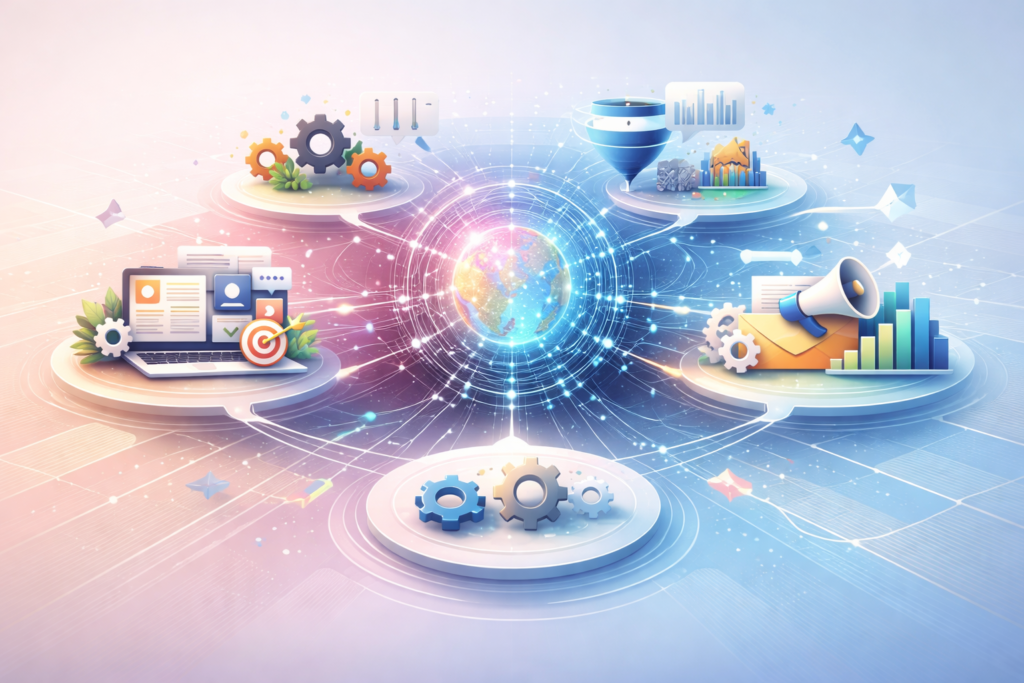
- Hybrid strategies:
- Outbound tactics can drive traffic to inbound content, while insights from inbound campaigns inform more targeted outbound outreach.
- For example, a prospect who engages with a resource on your website can be added to a tailored outbound sequence that deepens their interest and moves them further down the funnel.
- Agility and adaptability:
- Both inbound and outbound strategies will need to remain agile, adapting quickly to changes in buyer behavior or market conditions.
- Businesses that regularly test and refine their approaches will be better positioned to capitalize on new opportunities.
- Human-centered automation:
- While automation streamlines many aspects of inbound and outbound efforts, human interaction will remain critical. Authentic connections and personalized conversations will continue to be key differentiators in building trust and converting leads.
If inbound and outbound already feel harder than they did two years ago, you’re not imagining it. Buyer behavior has changed faster than most revenue systems.
At Vaneco, we work with founder-led companies to redesign inbound and outbound as one adaptive system, not separate motions.
See how the Revenue Accelerator Program helps teams prepare for what’s next instead of reacting too late.
Takeaway: Preparing for the Future of Revenue Generation
To thrive in the future of B2B revenue generation, businesses must embrace innovation, adapt to changing buyer expectations, and integrate inbound and outbound strategies. Here’s how to prepare:
- Adopt AI: use AI to enhance personalization, optimize campaigns, and identify high-value opportunities.
- Embrace conversational marketing: focus on real-time, interactive engagement to create meaningful connections with prospects.
- Prioritize data privacy: build trust through transparent and ethical data practices.
- Integrate inbound and outbound: create hybrid strategies that leverage the strengths of both approaches for a cohesive buyer experience.
FAQ: Future of B2B Inbound and Outbound
Will outbound still work in the future?
Yes, but only when it feels relevant, timely, and human.
Is inbound enough on its own?
No. Inbound supports buying decisions but rarely creates full pipeline alone.
Will AI replace sales and marketing roles?
No. It will amplify good strategy and expose weak one.
At Vaneco, we understand that staying ahead in B2B revenue generation requires flexibility and foresight. Our Revenue Accelerator Program is designed to help businesses embrace these future trends, from integrating AI-driven personalization to aligning inbound and outbound strategies. With our guidance, you can navigate the complexities of conversational marketing, data privacy, and hybrid approaches to build a revenue engine that’s ready for the future.